
What does having a C2 level really mean?
A new way to approach this question

Yesterday I wrote a short blog post about the language learning journey from the B2 to C2 level. Read it here. Today I’ll be exploring what it means to have a C2 level, from a rather unique lens.
Overview of C2
If you look on the CEFR website, C2 in basic terms is described as so:
Can understand with ease virtually everything heard or read. Can summarise information from different spoken and written sources, reconstructing arguments and accounts in a coherent presentation. Can express him/herself spontaneously, very fluently and precisely, differentiating finer shades of meaning even in more complex situations.
Getting more detailed
There are two ways to understand a C2 level in a more granular fashion. The first is to refer to the CEFR companion guide. Check out how detailed it gets in the screenshots below. This is not even the full list of skills they can grade.
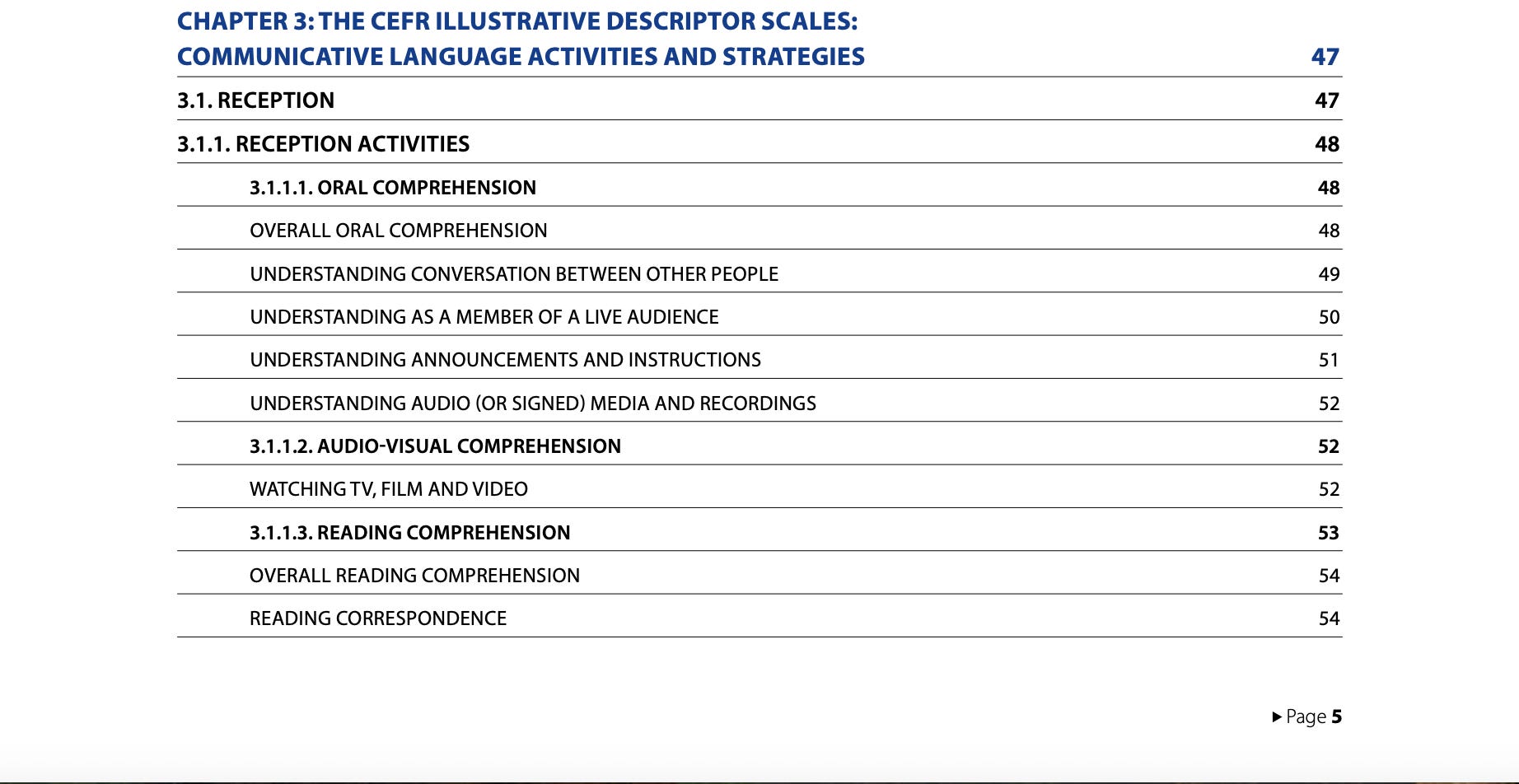
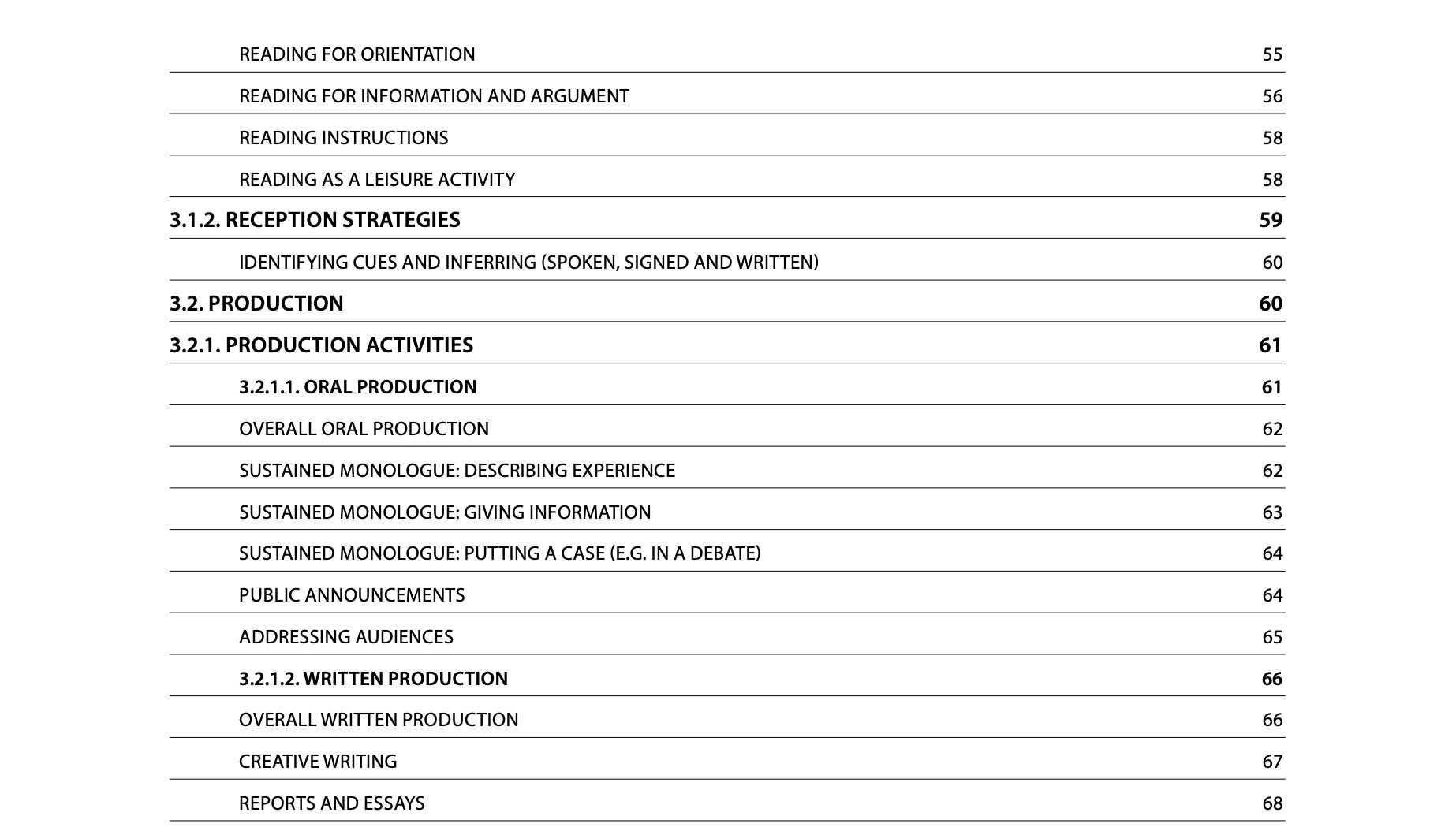
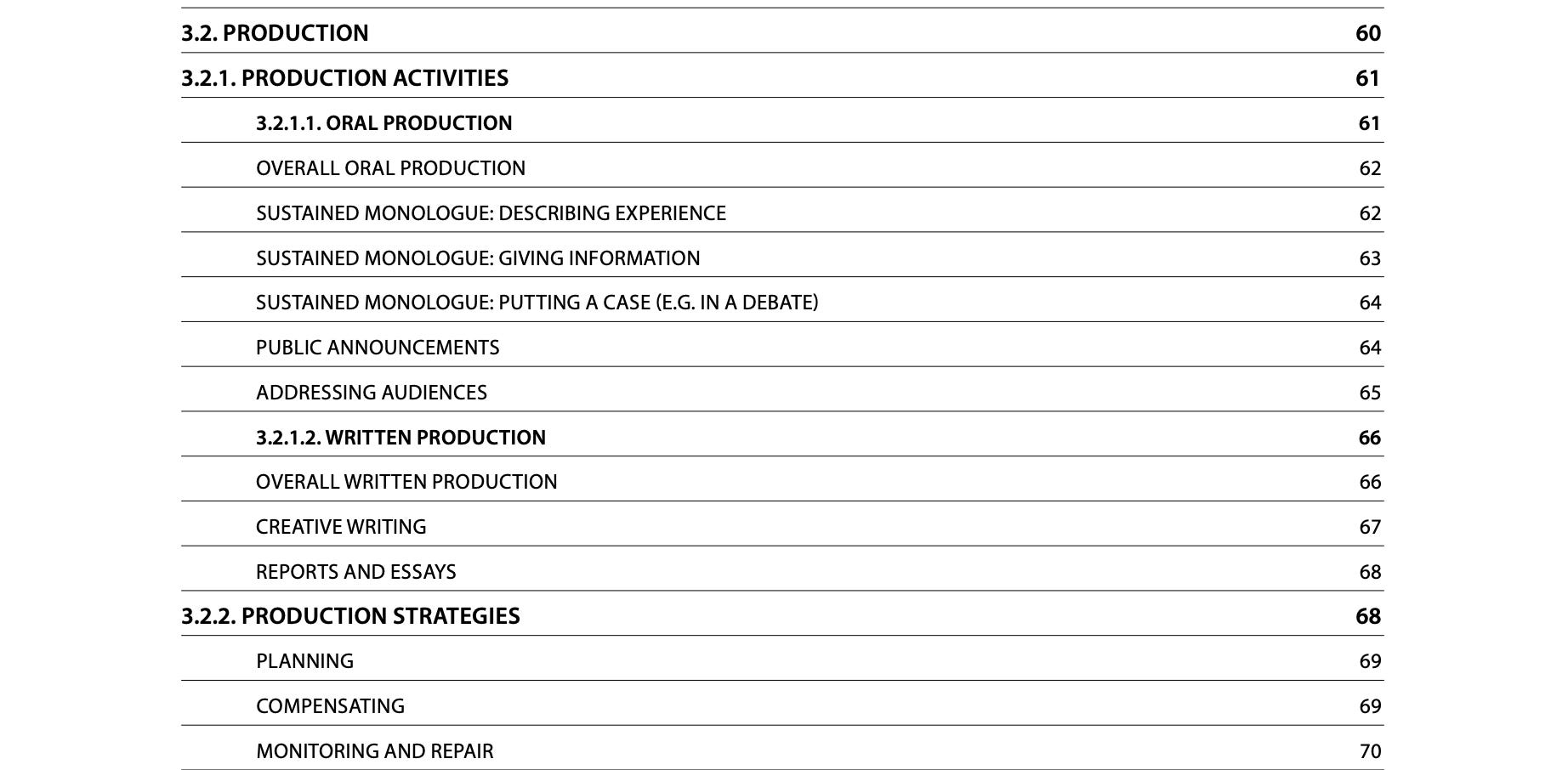
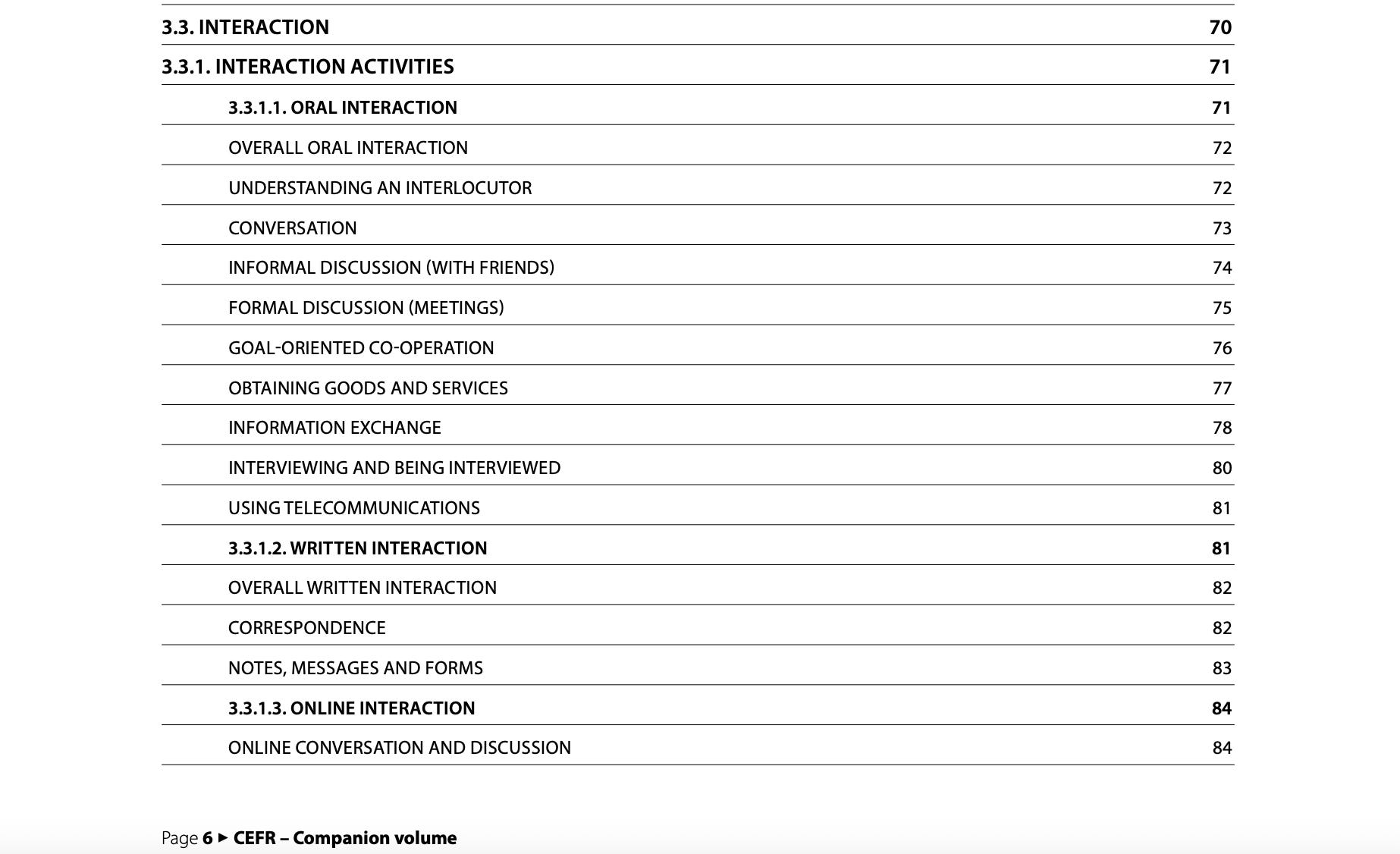
I love the companion guide
Even if you are not an educator, perusing the guide just to see areas you may be weak vs strong is valuable. For example, I am the king at compensating in my C2 languages. If there’s a word I don’t know how to say, I have so many strategies to keep the conversation flowing smoothly. On the other hand, my creative writing is definitely weak on the rubric in the companion guide. That’d be an area I could choose to work on, if I ever wanted to.
Another way to define a C2 level
Regular readers of my blog know that I have created ways to measure proficiency numerically. I find that if you can measure it, you can improve it. In measurable (ie., numerical) terms, here’s what a C2 level would look like. If anyone ever wants me to do a numerical assessment of their level, just email me. My tutors and I can do them for French, Spanish, Mandarin, Gujarati, English, and Russian.
Grammar
I’d want to see accuracy at 98% at a bare minimum both in writing and speaking. I’d also want to see a wide variety of grammar points (e.g., tenses, cases, conjunctions, etc) being used. The exact number of tenses, cases, etc varies based on language.
Comprehension rate
It will vary in every language to some degree, but from my experience over 200 words per minute is a minimum standard. You need to have the ability to understand native speakers even if they talk fast.
Spoken fluency
This also will vary from language to language, but a minimum standard I have seen is speaking at over 100 words a minute. This is still slower than native speakers in languages I’ve looked at, but it’s a fluent enough pace that native speakers don’t feel like you are a slow talker.
Pronunciation
This is the one category where the standards to be C2 are a little lower. Being clear is the key. I have an assessment where a score of over 75% is sufficient.
Active vocabulary size
Over 4,000 word families is the minimum. A word family, by the way is a grouping of words. For instance, “walk, walks, walked, walking” is four words, but only one word family. Note that active vocabulary size refers to words you can use automatically. It does not refer to your passive vocabulary, which are words you may not use yourself, but are still able to understand. I’ve not done much work research on passive vocabulary size, so unfortunately I can’t say much about the topic.
Other metrics
I have not done this yet, but I would like to create measurable criteria around reading comprehension and writing.
A game of excellence
Going from B2 to C1, and then C1 to C2, is a game of excellence. We’re fine-tuning your skills so that you’re no longer good at another language, but great at it.
I love playing the game of excellence when learning foreign languages. It takes many years, but the reward is worth it.
Thanks for reading!
Azren
Calgary Language Nerds owner
https://azrenthelanguagenerd.com